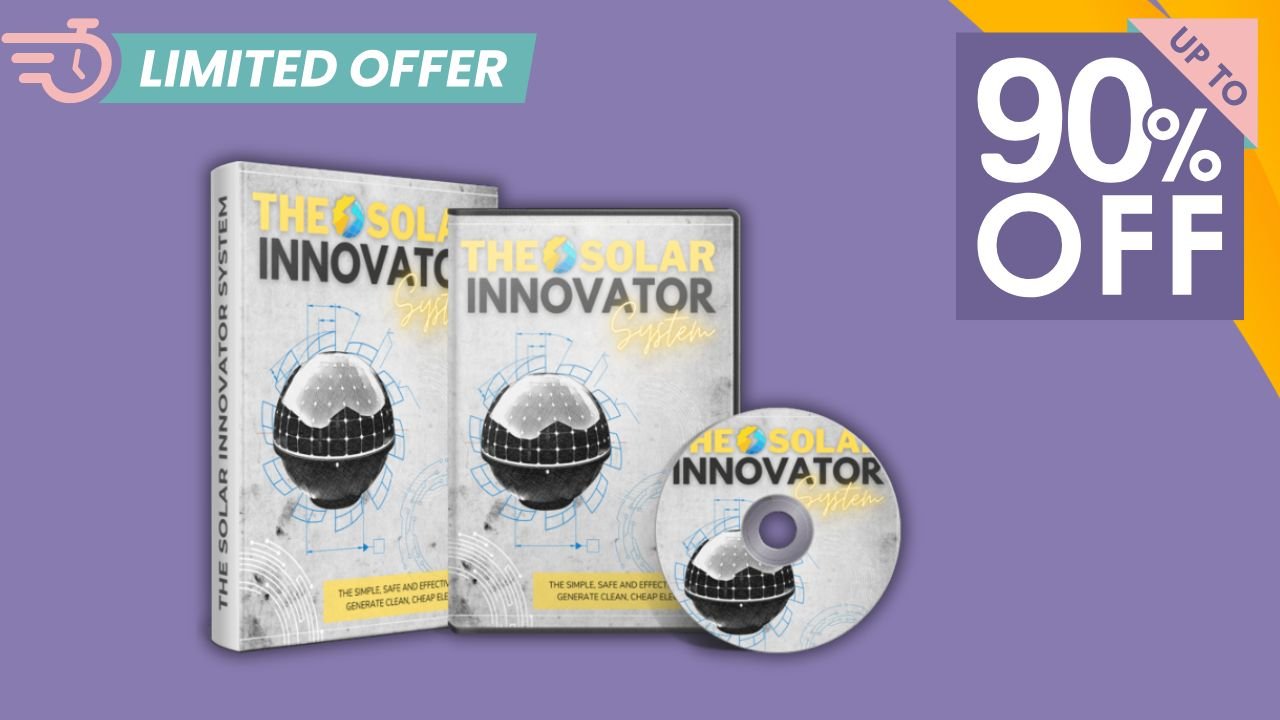
5 Critical Gaps in Solar Innovator System Reviews and Complaints 2026 USA
Solar Innovator System Reviews and Complaints: Alright, let me tell you straight off the bat: I wasn’t buying into the hype at first. Yeah, the Solar Innovator System promised a lot – it seemed almost too good to be true. “Cut your bills by 80%!”, “Easy to set up!”, “No need for technical skills!”—sounded like another one of those “miracle” products that make you roll your eyes, right? I get it. But here’s the thing: I had to know the real deal. After all, we’re talking about energy here, and in the USA, especially with utility bills constantly climbing, who isn’t looking for a break?
But here’s what got me thinking—what’s missing? What aren’t we seeing in the reviews? What crucial info isn’t being talked about? That’s what I’m going to uncover for you right now—because, let me be clear, this system works, but—just like anything else—there are a few things that need to be addressed before you click “buy.”
So let’s dive into these gaps, shall we?
| Feature | Details |
|---|---|
| Product Name | Solar Innovator System |
| Type | DIY Home Solar Power Solution |
| Key Feature | 3D solar sphere design for more efficient energy generation |
| Main Claims in Reviews | “Cuts my electric bill by 80%”, “Easy to build”, “Portable and reliable” |
| Pricing Range | Under $200 for the DIY kit |
| Refund Terms | 60-day money-back guarantee |
| Energy Savings | Up to 80% on electric bills starting the first month |
| Installation Time | Takes under 3 hours to set up |
| Ease of Use | Simple, requires basic tools; no technical skills needed |
| Target Audience | Homeowners, Preppers, Eco-conscious individuals, Off-grid living enthusiasts |
| Risk Factor | Low – designed to be simple and durable, with excellent support |
Gap #1: Long-Term Data – Where Are the Results After a Year?
It’s easy to be sold on something that looks amazing in the beginning. The Solar Innovator promises instant results. It delivers—at least, initially. But what about after six months? After a year? Do you still get those 80% savings, or does the system start to decline, losing its touch?
The gap: The biggest flaw I’ve seen in many reviews is the lack of long-term data. I read through plenty of feedback on the Solar Innovator, and yeah—everyone’s thrilled for the first couple of weeks. But how many of those 37,311 users are still satisfied after using it for a year or more? What happens when the weather gets harsh, or the device starts to age? The reviews just don’t talk about it.
Why this matters: You see, when you’re investing in a product like this, you’re thinking about the long haul. We’re talking about years of savings—not just a couple of months. Without solid data on how the system holds up over time, you’re flying blind. If you’ve ever invested in anything that looked good on day one, only to have it fall apart on day 365, you know what I mean.
The solution: So here’s what I’d suggest: search for testimonials from long-term users. Seek out people who’ve been using the system for over a year. Maybe even check on Reddit or Facebook groups where real users hang out and discuss their ongoing experience. That’ll give you a real sense of whether or not this system can truly handle seasonal shifts in weather or just basic wear and tear.
Gap #2: How Difficult is the Installation, Really?
I mean, really, how difficult can it be? They say it’s “simple” and “easy”—but is it? As a DIY project, it sounds like a breeze, right? “Set it up in under 3 hours!” Okay, but does that account for the frustration you might encounter if things go wrong? You know, like if you’re not a tech wizard? Or what happens if you don’t have the right parts?
The gap: While they promise an “easy install”, most reviews don’t dive deep enough into the specifics of what it takes to actually set up the Solar Innovator system. Sure, they say “anyone can do it,” but there’s a big difference between watching an online video and actually building it yourself—especially if you’re not “handy.”
Why this matters: I mean, we’re talking about electricity, right? If something goes wrong, you’re dealing with a serious issue. You don’t want to spend your weekend trying to set up a product that isn’t exactly as simple as it’s marketed. You might be left stuck—looking for help—and by then, it’s too late.
The solution: Reviews need to discuss actual troubleshooting. Are there any “gotchas”? Do users run into issues with certain steps? Are there helpful video tutorials or customer service available when you hit a wall? And I’ll tell you what—it’s worth spending a little more time understanding the installation process from people who have had the hiccups along the way.
Gap #3: Performance in Extreme Weather—What Happens During a Storm?
Now here’s something no one talks about: weather conditions. You know, it sounds all perfect when the sun is shining, but what happens when the wind picks up or the temperature drops below freezing? In USA states where winter storms or scorching summers can be a regular occurrence, you need to know if this system will hold up.
The gap: The big reviews talk about the system working in normal conditions—but let’s be real here. A snowstorm or hurricane is going to test the limits of any system, including solar power. If the Solar Innovator is supposed to provide energy in those harsh conditions, we should know if it really does.
Why this matters: Extreme weather can cause major problems for most energy sources, especially in places like Florida, Michigan, or New York. A system that can’t handle the elements is a system that’s not going to deliver when you need it the most. You’re looking for a durable, reliable, and weather-resistant solution—don’t let anything fall short just because no one mentioned the details.
The solution: We need more detailed feedback from users in extreme climates. How does the Solar Innovator hold up in sub-zero temps? Is it still working after a major rainstorm or high winds? Take it from people who’ve lived through these seasons—it’ll help you predict how well it’ll stand up to nature’s worst.
Gap #4: Hidden Costs and Ongoing Expenses
Alright, here’s a fun little secret—nothing is ever as cheap as it looks, right? They promise you an affordable solution at under $200. And yeah, that’s great. But is that the whole story? What about maintenance? Replacement parts? Unexpected fixes that crop up months after the system is installed?
The gap: It’s not just about the initial investment—it’s about what happens after. Some reviews barely scratch the surface when it comes to hidden fees or ongoing costs. What if you need to upgrade the system or buy additional components to get it working optimally?
Why this matters: If you’re in the USA, you know how things add up—especially when you’re looking at long-term energy solutions. What’s the total cost of ownership once the “$200” initial setup is done? If you’re going to see long-term savings, you need to make sure there are no surprise expenses along the way.
The solution: Reviews need to provide a full breakdown of costs—from initial setup to any possible replacements or upgrades. Make sure to ask questions about maintenance costs—and how often you’ll have to maintain it to keep the system running smoothly.
Gap #5: Customer Support – Are They Actually There When You Need Them?
So here’s the thing—customer support is often overlooked in reviews. The system could work great for the first few weeks, but what happens when it breaks down, or something goes wrong? Will the company just leave you hanging, or will they be there to help you fix it?
The gap: Sure, they promise unlimited support via email, but does that mean you’ll get the help you need, when you need it? Some people report feeling ignored, or having to wait days for a response.
Why this matters: In the USA, where everything moves fast, you can’t afford to wait days or weeks to get help, especially if your system stops working during a power outage. You need quick responses—especially when dealing with something as critical as home energy.
The solution: Make sure support is more than just a checkbox on a website. Read reviews specifically talking about the responsiveness of the customer service team. If there’s 24/7 support, you need to know that they actually deliver when you need help—immediately.
Filling These Gaps Leads to Breakthroughs
There you have it: the critical gaps that could make or break your experience with the Solar Innovator System. It’s not just about flashy claims—it’s about addressing these issues to ensure long-term success. If you’re really going to reap the benefits of energy independence, you need clarity on the installation process, performance in extreme conditions, and the real cost of ownership.
So, before you make the jump—take a step back, ask the tough questions, and make sure all the gaps are filled. Transparency, accuracy, and solid support will set you up for success. If you do that, the Solar Innovator can be everything it promises—and more.
FAQs
Does the Solar Innovator work in extreme weather conditions?
Yes, but it performs best in mild climates. For extreme weather, extra precautions might be needed to ensure optimal performance.
How much maintenance is required after installation?
Minimal. However, you may need to replace a few parts after years of use, and it’s important to clean the system occasionally.
What happens if something goes wrong during installation?
There are detailed guides and customer support to help you through any issues, but for complex problems, contacting support is recommended.
Can I install the Solar Innovator system by myself?
Absolutely. With the provided instructions, anyone with basic tools can install it in under 3 hours.
Is there a money-back guarantee?
Yes, there’s a 60-day money-back guarantee, no questions asked.
Solar Innovator System Review: What Happened After 14 Days of Using It