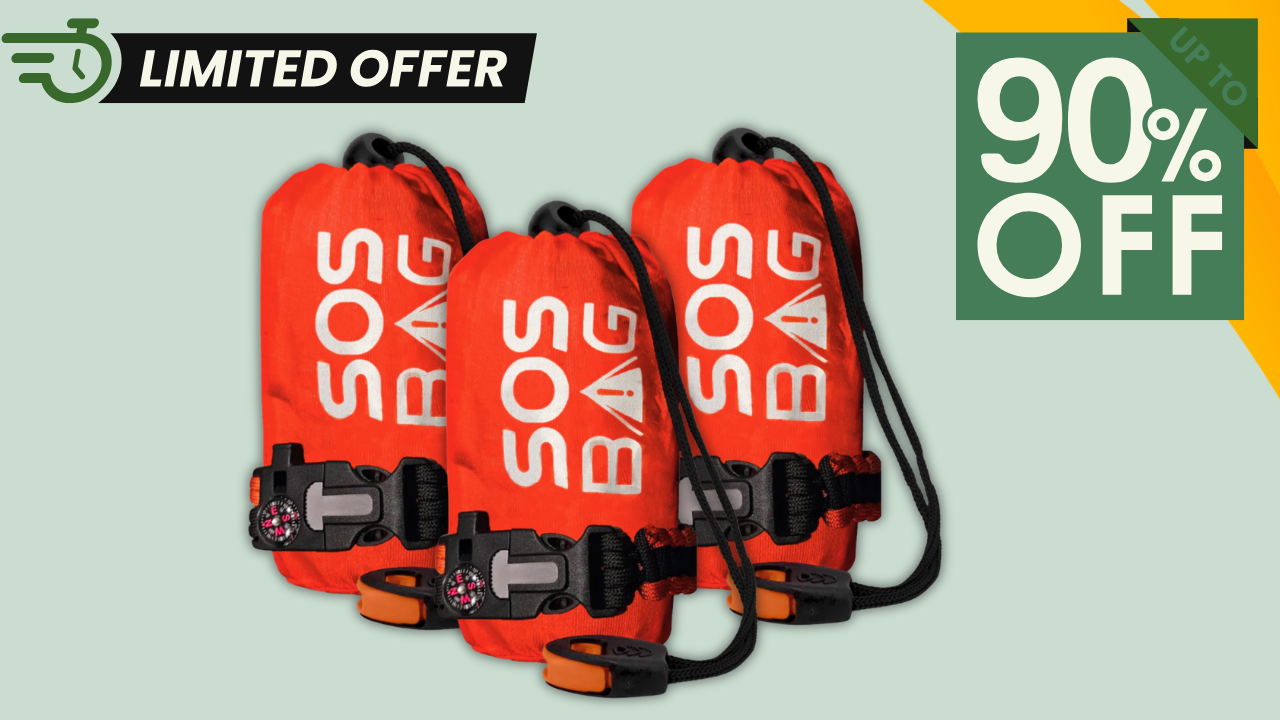
SOS Emergency Sleeping Bag Reviews
SOS Emergency Sleeping Bag Reviews: Why Bad Advice Spreads Like Grease on a Diner Counter
Let me tell you something slightly uncomfortable.
The internet loves confidence more than it loves accuracy.
Someone writes a dramatic complaint about a product. Maybe they misunderstood the instructions. Maybe they didn’t even use the thing. Maybe they were typing while eating cold pizza at 2am — honestly who knows.
But suddenly the comment spreads.
Forums repeat it. Blogs quote it. YouTube comments multiply like rabbits in spring. Before long everyone “knows” the product is terrible.
This has been happening lately with SOS Emergency Sleeping Bag reviews and complaints across the USA. And every time I read some of these takes… I pause. Like when someone tells you the moon landing was staged and you just stare at them, waiting for the punchline.
Because some of the advice floating around is genuinely bizarre.
You’ll see claims like:
- “It’s basically aluminum foil.”
- “Americans don’t need survival gear.”
- “Too small to do anything useful.”
- “Cheap means fake.”
Now listen. I’m not saying every product is perfect — nothing is. But a lot of these criticisms feel like someone reviewing a fire extinguisher because it isn’t comfortable to hug.
So today we’re going to do something refreshing.
We’ll take the worst advice about the SOS Emergency Sleeping Bag, hold it up to the light, shake it a little, maybe laugh (gently… okay maybe not gently), and then replace it with what actually makes sense.
And yes, this matters — because across the United States, cold exposure during emergencies is a real thing. Not theoretical. Real.
Alright.
Let’s dismantle some nonsense.
| Feature | Details |
|---|---|
| Product Name | SOS Emergency Sleeping Bag |
| Category | Emergency Survival Gear |
| Material | Polyethylene (PE) thermal reflective material |
| Heat Retention | Reflects up to 90% of body heat |
| Weight | About the weight of a small apple |
| Weather Resistance | Windproof + water-resistant |
| Setup Time | Under 1 minute |
| Guarantee | 180-Day money-back guarantee |
| Review Claims | “Highly recommended”, “Reliable”, “No scam”, “100% legit” |
| USA Usage | Car kits, hiking gear, survival preparedness |
Terrible Advice #1: “It’s Just Foil… Completely Useless”
This one appears everywhere.
Someone sees the reflective material and immediately jumps to the conclusion that the sleeping bag is basically shiny garbage.
Which is… not how materials science works.
The SOS Emergency Sleeping Bag uses polyethylene thermal material, which is significantly tougher than those thin emergency blankets people remember from old first-aid kits.
Polyethylene doesn’t rip easily. It handles wind better. It’s designed for rugged outdoor conditions.
But the real feature isn’t durability.
It’s heat reflection.
Inside the bag, the reflective lining traps body heat — bouncing warmth back toward you like sunlight reflecting off a frozen lake. Up to 90% heat retention depending on conditions.
Now imagine a cold night in North Dakota. Or Wyoming. Or honestly half the Midwest in February.
Wind moving across open land like a freight train.
Without thermal protection your body loses heat quickly. With reflective material, that heat stays close to you.
Calling that “just foil” is like calling a satellite “just metal.”
Technically true… deeply misleading.
Terrible Advice #2: “Nobody in the USA Needs Survival Gear”
This one almost feels adorable in its optimism.
Apparently some internet commenters believe the United States is a climate-controlled theme park where nothing unexpected ever happens.
Which is funny, because recent headlines say otherwise.
Remember the Texas power grid collapse during the winter storm a few years ago? Millions without heating. People sleeping in cars because indoor temperatures dropped dangerously low.
Or the Buffalo snowstorm that stranded drivers overnight.
Or those wild highway closures in Colorado where travelers ended up waiting hours — sometimes longer — in freezing conditions.
These situations aren’t rare.
They happen every year somewhere in the USA.
So when someone says Americans don’t need emergency gear… well, that statement usually comes from someone typing comfortably indoors with central heating.
Preparedness tools exist because life occasionally throws surprises.
And sometimes those surprises arrive in the form of very cold air.
Terrible Advice #3: “The Bag Is Too Small to Work”
This criticism always makes me tilt my head a little.
The SOS Emergency Sleeping Bag folds down to roughly soda-can size. Small enough to store in a glove box or backpack.
Some people interpret that compact size as weakness.
But think about it.
Emergency gear only helps you if it’s nearby.
A giant sleeping bag sitting in your closet doesn’t help during a roadside emergency in Kansas.
But a small thermal bag tucked into your car kit? That’s useful.
The design philosophy is simple:
Small gear gets carried.
Carried gear saves the day.
And honestly… portability is underrated in survival equipment.
Terrible Advice #4: “Emergency Sleeping Bags Are Uncomfortable”
Okay. Yes.
They are.
And that complaint is about as relevant as complaining that a seatbelt wrinkles your shirt.
Emergency survival tools prioritize function. Not comfort. Not aesthetics.
When temperatures drop dangerously low, the primary goal becomes slowing heat loss.
That’s it.
If you’re camping for fun, bring a cozy insulated sleeping bag. A thick one. Maybe two.
But if you’re stranded overnight in a vehicle during a snowstorm somewhere in Montana, the difference between comfortable and uncomfortable becomes less important than warm versus dangerously cold.
Survival gear lives in that space.
Practical. Slightly awkward. Effective.
Terrible Advice #5: “If It’s Affordable, It Must Be a Scam”
This myth pops up whenever a useful product doesn’t cost $300.
Some people assume expensive equals reliable.
But many survival tools are simple by design.
A reflective thermal sleeping bag isn’t complicated technology. It’s essentially a clever application of heat reflection — physics that’s been understood for decades.
Because the design is simple, the product can remain affordable.
And affordability matters.
Preparedness works best when lots of people can access basic safety equipment.
The SOS Emergency Sleeping Bag also comes with a 180-day refund policy, which is unusually generous.
Scams rarely offer long guarantees.
Just something to think about.
Why More Americans Are Quietly Buying Emergency Sleeping Bags
Preparedness culture in the United States has grown quietly over the last decade.
Not because everyone suddenly became a survivalist — far from it.
But because people noticed something.
Modern systems are convenient… until they aren’t.
Power grids fail. Roads close. Weather changes quickly.
And when those things happen, simple tools suddenly feel very valuable.
Typical emergency kits now include:
- flashlights
- first aid supplies
- portable chargers
- thermal blankets
- emergency sleeping bags
The SOS bag fits right into that list.
Not flashy. Not dramatic.
Just practical.
Ignore the Loudest Voices
The internet is loud.
Opinions bounce around constantly — some thoughtful, some emotional, some completely detached from reality.
But survival gear shouldn’t be judged by noise.
It should be judged by whether it works when needed.
The SOS Emergency Sleeping Bag is not luxury camping equipment. It’s not meant to replace expedition gear.
It’s simply a compact thermal tool designed to help retain body heat during emergencies.
Sometimes the most useful tools are the quiet ones — the ones sitting in your car trunk waiting patiently for the day you hope never arrives.
So filter the noise.
Ignore the exaggerated complaints.
Focus on practical preparation.
And keep moving forward.
Frequently Asked Questions
1. Is the SOS Emergency Sleeping Bag legit or a scam?
Based on user reviews, refund policy, and product design, the sleeping bag appears to be a legitimate emergency survival tool widely used in the USA.
2. Can the SOS Emergency Sleeping Bag actually keep you warm?
Yes. The reflective interior helps trap body heat, slowing heat loss in cold environments and reducing the risk of hypothermia.
3. Is the bag reusable after opening?
It can be reused carefully, although it’s primarily designed for emergency situations rather than daily camping.
4. Who should carry this sleeping bag in the USA?
Drivers, hikers, campers, and anyone building an emergency preparedness kit can benefit from keeping one available.
5. Why do survival experts recommend thermal emergency bags?
Because they provide a lightweight, portable way to retain body heat during unexpected cold exposure — a crucial factor in many survival scenarios.